World Championship 1921: Capablanca – Lasker
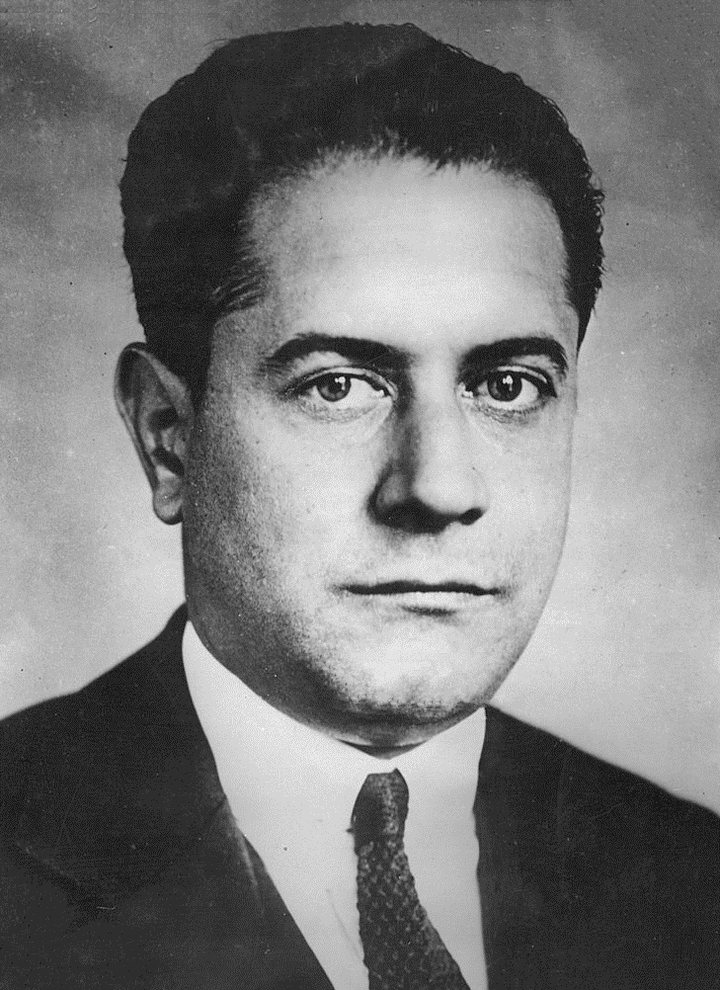
José Raúl Capablanca, 1920 — a year before he took the title. Public domain
In Havana in 1921, José Raúl Capablanca ended Emanuel Lasker's twenty-seven-year reign as World Champion without losing a single game. The Cuban's flawless technique earned him the nickname the chess machine.
◈The end of an era
Emanuel Lasker had held the world title since defeating Steinitz in 1894 — the longest reign in the history of the championship. By 1921 he faced a challenger many already considered the finest player in the world: Capablanca, whose smooth, seemingly effortless style made difficult positions look simple.
The match was played in Havana under trying tropical conditions. Capablanca won four games and lost none; Lasker, worn down and unwell, resigned the match after fourteen games with the score at 9–5 in the Cuban's favour.
◈Capablanca's technique
Capablanca became the third World Champion. His games from this period are studied as models of clarity — he rarely miscalculated, and his endgame technique was without peer. He would hold the title until his celebrated defeat by Alexander Alekhine in 1927.
Lasker, for his part, remained a formidable competitor for years afterward, famously finishing ahead of much of the world's elite at New York 1924.
◈Cross Table
1 win · ½ draw · 0 loss — click a game number to replay it.